
Sound Design For Event Films: How To Make Chaos Feel Cinematic
A lot of event footage looks good and still feels flat. The issue usually is not the camera work. It is the sound. If the edit does not carry atmosphere, tension, rhythm, and weight, the viewer registers the visuals but does not feel the event.
That is where sound design changes everything. Whether it is a festival recap, a brand activation, a conference opener, or a nightlife piece, the way the sound is built is often the difference between a clip that merely documents what happened and a film that actually lands.
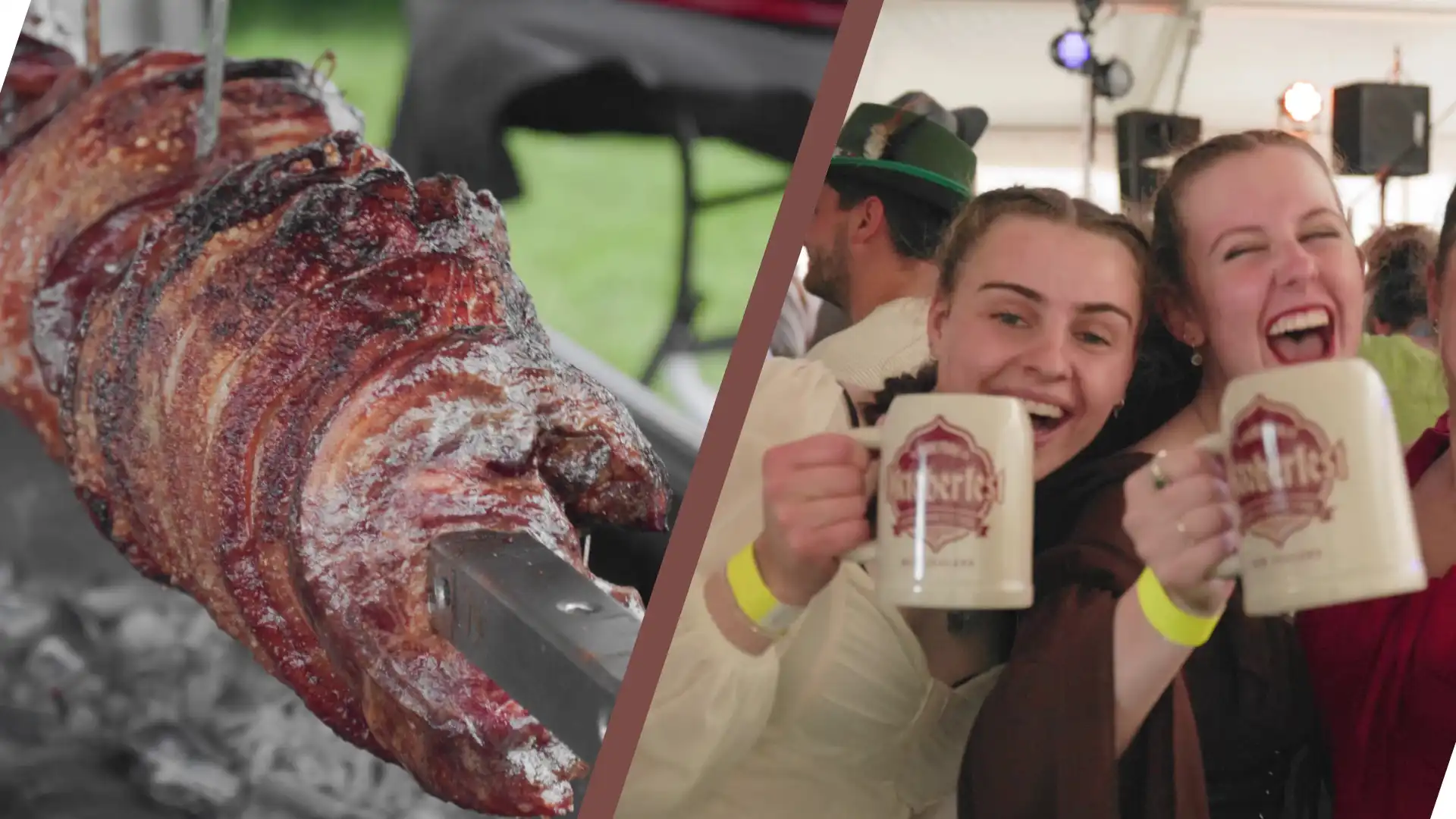
Oktoberfest was a strong reminder of that. The visuals were full of energy, character, scale, and movement. The raw audio, as expected, was messy. Crowd wash, inconsistent music spill, random shouts, and environmental unpredictability are just part of live production. The goal was not to clean it into something artificial. The goal was to reshape that chaos into something cinematic, deliberate, and commercially usable.
Why sound design matters so much in event films
When viewers describe a film as feeling premium, immersive, or cinematic, they are usually responding to more than the image. They are responding to the way picture and sound lock together. In event content especially, audio does three major jobs at once:
If those layers are missing, the piece can still look polished, but it rarely feels expensive or memorable.
Start with what is real
The first principle is simple: capture what you can, even if you know it will not be perfect. Real event sound gives you texture that library effects alone usually cannot. Glasses clinking, shoes on concrete, a distant crowd bed, hands hitting a bar, a DJ room tone, a cheer that blooms in the right way - these things become valuable later even if they are rough in isolation.
That does not mean every live sound should stay as recorded. It means your original material gives you reference, realism, and emotional grounding. It tells you what the space actually felt like.
Key principle
Use real sound as the foundation, then reinforce it with design. Do not try to fake the entire world from scratch unless you absolutely have to.
Build the ambient bed first
The fastest way to make event footage feel empty is to start by dropping in music and calling it done. Music matters, but it is not the whole mix. A proper event edit usually needs a base layer of environmental sound underneath the track.
This ambient bed gives the sequence a sense of air and dimension. It is what tells the viewer whether the scene is inside, outside, packed, open, tense, or loose. Without it, the visuals can feel detached.
What the bed should do
- Create spatial context
- Support the scene without drawing attention
- Glue separate shots together
- Make music feel integrated rather than pasted on
What usually goes wrong
- No consistent atmosphere underneath the edit
- Hard cuts into dead silence
- Music carrying the whole emotional load
- Random raw audio clips with no continuity
Layer for proximity and realism
Once the base ambience is in place, the next step is proximity. Not every sound should feel like it is sitting in the same physical plane. A wide crowd shot should not carry the same intimacy as a close-up of a drink pour or a hand tapping a counter.
This is where sound design stops being generic and starts becoming cinematic. You are matching the sound perspective to the visual perspective. If the camera moves closer, the sound can feel closer. If the frame opens wide, the mix can breathe out again.
Good event sound design is not about stacking more noise. It is about placing the right sound at the right perceived distance.
For example, a bar pour, a quick laugh, a hand hitting a table, a fabric movement, or a boot on a wooden step can all work as foreground details. These moments help tell the viewer where to listen. They create tactile realism.
Control the energy with contrast
A lot of weaker event edits run flat because they stay at one intensity the whole time. The visuals might change, but the sonic world does not. Everything is either loud the whole way through or restrained the whole way through. Neither tends to work for long.
Strong sound design uses contrast deliberately. That can mean dropping to a quieter moment before a chorus hit, muting the room slightly before a visual reveal, or letting a single close sound punch through before the wider atmosphere returns.
That contrast gives momentum to the film. It creates the sense that the sequence is moving somewhere instead of just looping through a montage.
Music is the emotional spine, not the whole body
Music usually carries the emotional direction of the edit, but it should not bulldoze the rest of the soundscape. If the track is too dominant, the piece starts to feel like a generic reel with some b-roll on top. If the track is too weak, the edit can lose coherence and forward motion.
The best approach is usually to let music set the tone while the environmental layers make it believable. That means small dips, room for accents, and intentional moments where the track steps back so the scene can breathe.
Simple mixing rule
Let music guide the emotion, let atmosphere sell the location, and let detail sounds sell the moment.
Mix for the way people actually watch
Most event films are not being consumed in a studio environment. They are being watched on phones, laptops, social apps, office speakers, and bad earbuds. That changes how you should judge the final mix.
If the atmosphere disappears on a phone, the high end gets abrasive, or the detail work only exists on full speakers, the mix is not finished. It needs to survive the real world. For branded event content, practical translation matters more than technical purity.
Build a workflow that makes future edits better
Part of making event films stronger over time is building your own library and structure. Label your crowd textures. Separate close, mid, and wide effects. Save transition elements that actually work. Keep useful room tones. Organise sounds by category, setting, and intensity so you are not rebuilding your process from zero every time.
That workflow work is rarely glamorous, but it compounds fast. The more event edits you do, the more valuable your own sound library becomes. It speeds up turnaround and improves consistency across jobs.
Common mistakes that make event films feel cheap
Mistake
- Relying on music alone
- Leaving random raw audio unshaped
- Using effects that do not match shot distance
- Keeping every moment equally loud
- Ignoring mobile playback
Fix
- Build a real ambient bed underneath the track
- Edit and reinforce atmosphere intentionally
- Match sonic perspective to visual framing
- Use contrast to control rhythm and weight
- Check the final mix on actual consumer devices
Why this matters commercially
For clients, this is not just an artistic detail. Better sound design changes how the work is perceived. It makes brand events feel more substantial, nightlife recaps feel more immersive, activations feel bigger, and social edits feel more considered. It helps footage hold attention for longer and gives the piece a finish that people associate with higher production value.
That matters whether the deliverable is for social, paid media, internal recap, sponsorship reporting, or a hero event film. The stronger the sensory experience, the stronger the perceived value of the production and the brand behind it.
Final thought
Great event editing is not just about what the camera saw. It is about rebuilding what the moment felt like. That is what sound design really does. It gives shape to energy, weight to visuals, and emotional continuity to otherwise chaotic footage.
If the image is what documents the event, the sound is what makes people feel like they were there.