
Sound Design for Event Films: How to Make Chaos Feel Cinematic
When you film live events, you never get perfect audio. Wind, music, crowd noise, the guy yelling behind you - it's part of the deal. But great sound design can turn that chaos into something that feels intentional and alive.
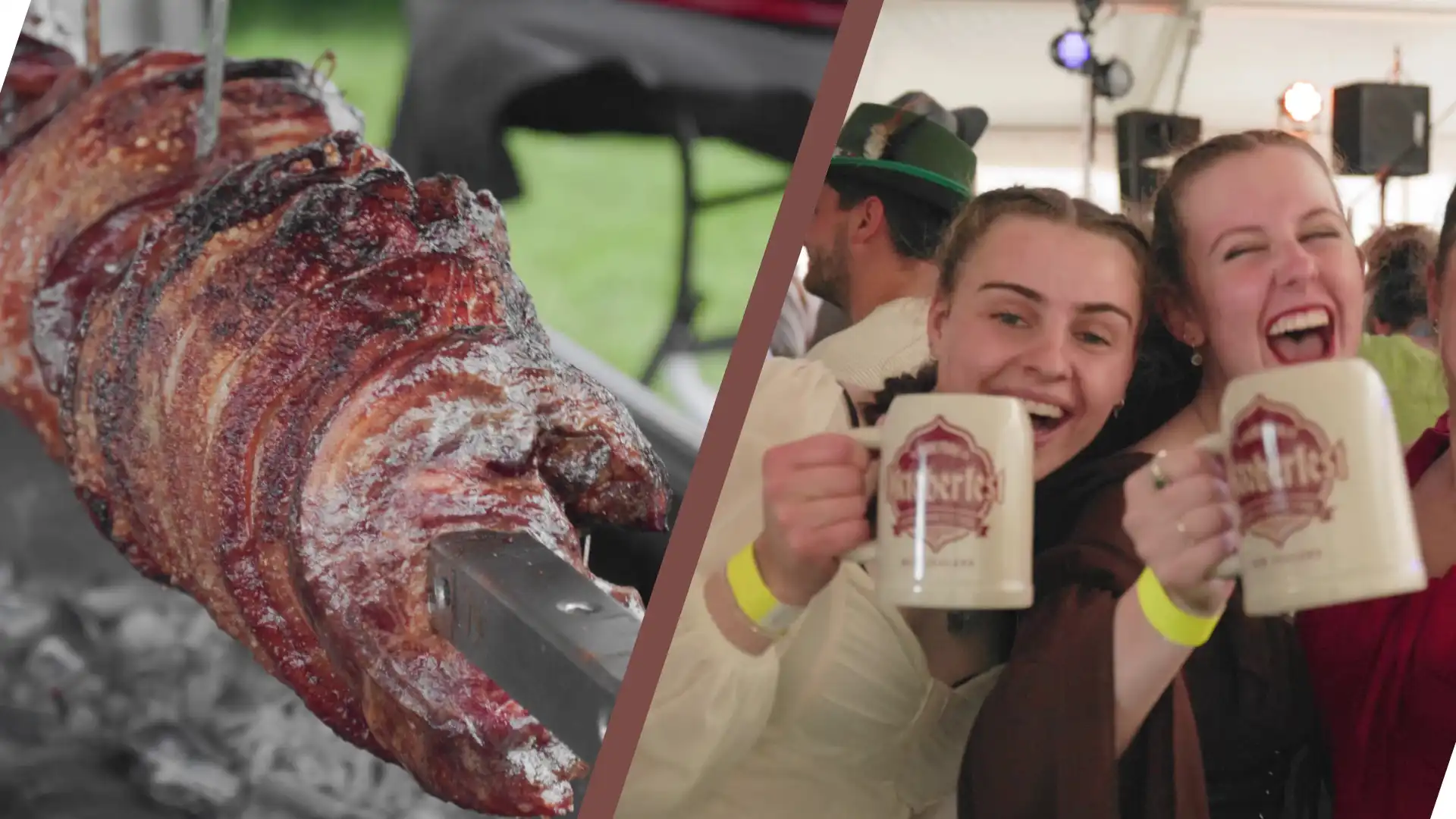
I learned this shooting Oktoberfest. The visuals were gold. The raw audio? Not so much. Here's how I rebuilt the atmosphere step by step.
1) Capture what you can, even if it sounds rough
Bring a mic, even if you know the footage will be noisy. Real sounds of the environment, like crowd hum or clinking glasses, give you material to work from later. They help you sync emotion to place.
2) Build your base layer first
Start with a wide ambience track that fits the location. You want a sense of air, depth, and space. Stereo crowd noise, outdoor wind beds, or interior reverb can instantly turn silent footage into something immersive.
3) Layer for proximity and realism
This is where the magic happens. Add elements that move with the camera. If your shot pans across a bar, the crowd sound should shift with it. A close-up of a pour should have texture, fizz, and liquid detail. If someone laughs in frame, place that sound in the mix so it feels like it came from where they stand.
4) Use silence with intent
A quiet beat before a big cheer or a moment of stillness before music drops in creates tension and realism. The best sound design breathes. It's not about constant noise, it's about balance.
5) Music is your emotional spine
The track should guide the story, not bury it. Keep your background music low enough that environmental sound has room. Dip the music slightly (by 3-6 dB) when a key sound effect enters. The listener shouldn't consciously notice this, but they'll feel it.
6) Mix for the way people actually watch
Most event videos are seen on phones. Always preview your final mix through phone speakers or cheap earbuds. If the atmosphere disappears or the highs sound harsh, your mix isn't balanced yet.
7) Keep your workflow tight
Label your SFX, organise them by distance (close, mid, far), and group them in your project bin or timeline. This speeds up future projects and lets you build a personal library of crowd textures, transitions, and ambient hits.
Good sound design isn't about adding more. It's about recreating what it felt like to be there. When it's done right, the viewer doesn't notice the work - they just feel it.
Oktoberfest was a reminder that visuals capture what happened, but sound tells us what it felt like.
If you want your brand or event videos to carry that same energy, that's what I do best - crafting story-driven visuals that sound as good as they look.