How to Film a Customer Testimonial Video That Converts
A strong customer testimonial video is one of the highest-leverage pieces of marketing a business can create. It builds trust faster than brand-led copy, gives prospects proof that the offer works, and helps move viewers from interest to enquiry.
The issue is that most testimonial videos are either too vague, too polished in the wrong way, or too focused on the business instead of the customer journey. If the goal is conversion, the video needs to be structured around credibility, clarity, and relevance rather than just looking nice.
Why testimonial videos work so well
When a real customer explains the problem they had, why they chose a business, and what changed afterwards, the viewer gets a shortcut to trust. The content does several jobs at once:
That only happens when the testimonial is built around a useful story. Generic praise like “they were great to work with” is fine as supporting material, but it rarely carries the conversion load on its own.
Start with the right story
Before cameras come out, define the outcome the video needs to support. Is this for a homepage hero, a paid ad, a proposal deck, a case study landing page, or a social cutdown? The target placement changes what you need from the interview.
The most reliable structure is simple:
- The problem: What was happening before?
- The hesitation: What concerns did they have before buying?
- The decision: Why did they choose this business?
- The experience: What was it like working together?
- The result: What changed afterwards?
If you can get clear answers to those five stages, you usually have the foundation of a testimonial that can convert.
Ask questions that get better answers
Most weak testimonial videos start with weak interview prompts. Questions like “Would you recommend them?” produce short, expected answers. Better prompts pull out detail, specificity, and emotional truth without sounding overly dramatic.
Ask this
“What was frustrating before you solved this?”
“What nearly stopped you from moving ahead?”
“What stood out once you started working together?”
“What changed after the project was complete?”
Instead of this
“Did you like the service?”
“Would you recommend them?”
“How was the experience?”
“Was it good?”
The aim is to make the customer describe their own transformation in their own words. That is where the persuasive value lives.
Frame for trust, not ego
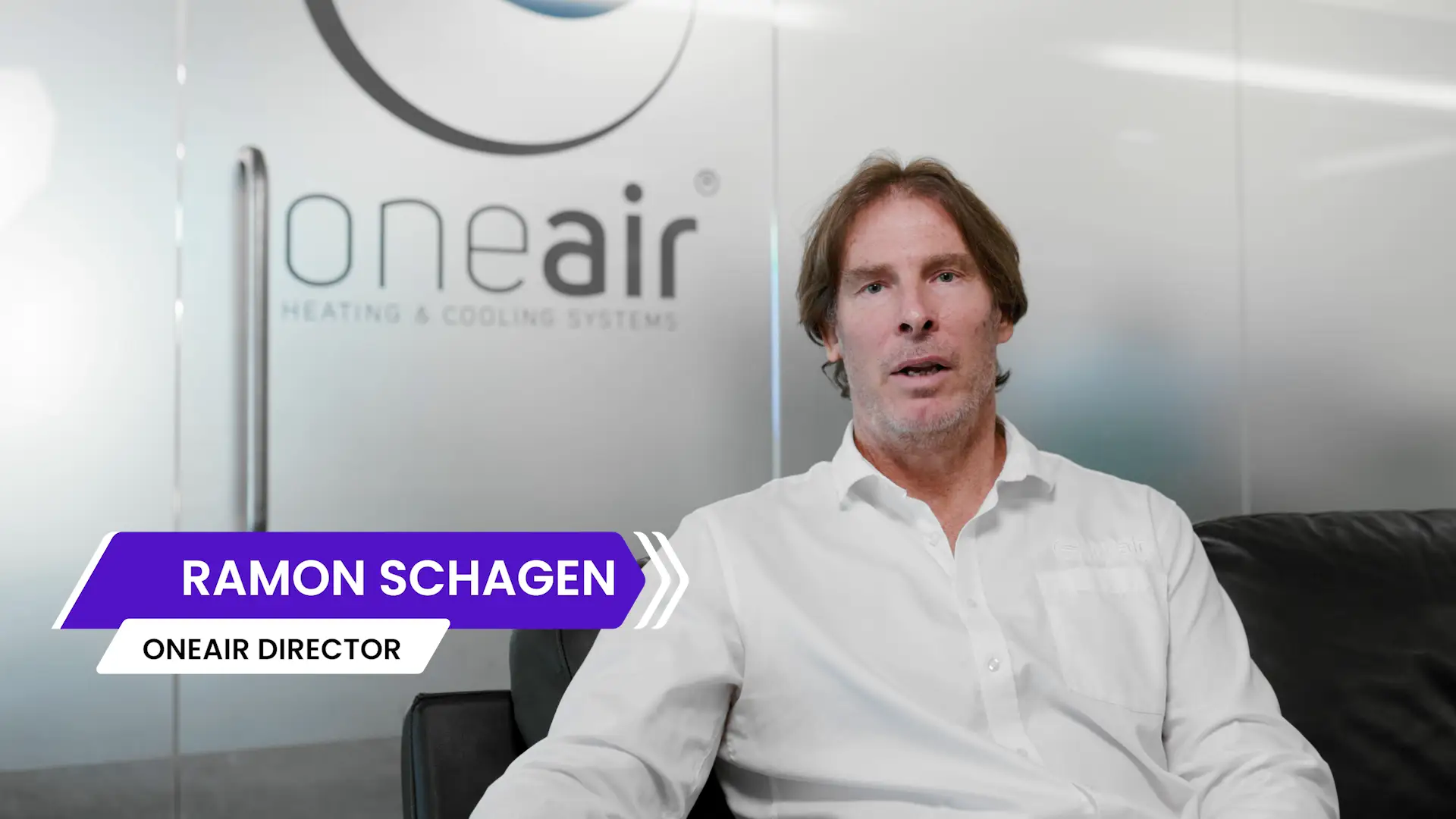
Visually, the interview should feel clean, premium, and believable. That does not mean overcomplicating the setup. In most cases, a strong testimonial frame comes from four basics done properly:
- Good eyeline: The subject is speaking just off camera to an interviewer, not staring stiffly down the lens unless that is a deliberate choice.
- Clean background: The setting should support the brand or context without becoming distracting.
- Soft flattering light: The goal is natural skin tone, shape, and separation.
- Stable composition: Locked-off or gently controlled camera movement keeps attention on the words.
Viewers are not consciously scoring your lens choice or lighting ratio. They are deciding whether the business feels credible. Clean execution helps remove friction from that decision.
Audio matters more than people think
Bad audio destroys trust quickly. People will forgive a simple visual setup much faster than they will forgive echo, background noise, or inconsistent levels. For testimonial work, audio is not a technical afterthought. It is core persuasion infrastructure.
If the words are the asset, the audio is the delivery system.
At minimum, capture a clean primary source with a lavalier or properly placed microphone, monitor the signal during the interview, and control the room where possible. The cleaner and more intimate the voice feels, the more direct and trustworthy the testimony lands.
B-roll should prove the claims
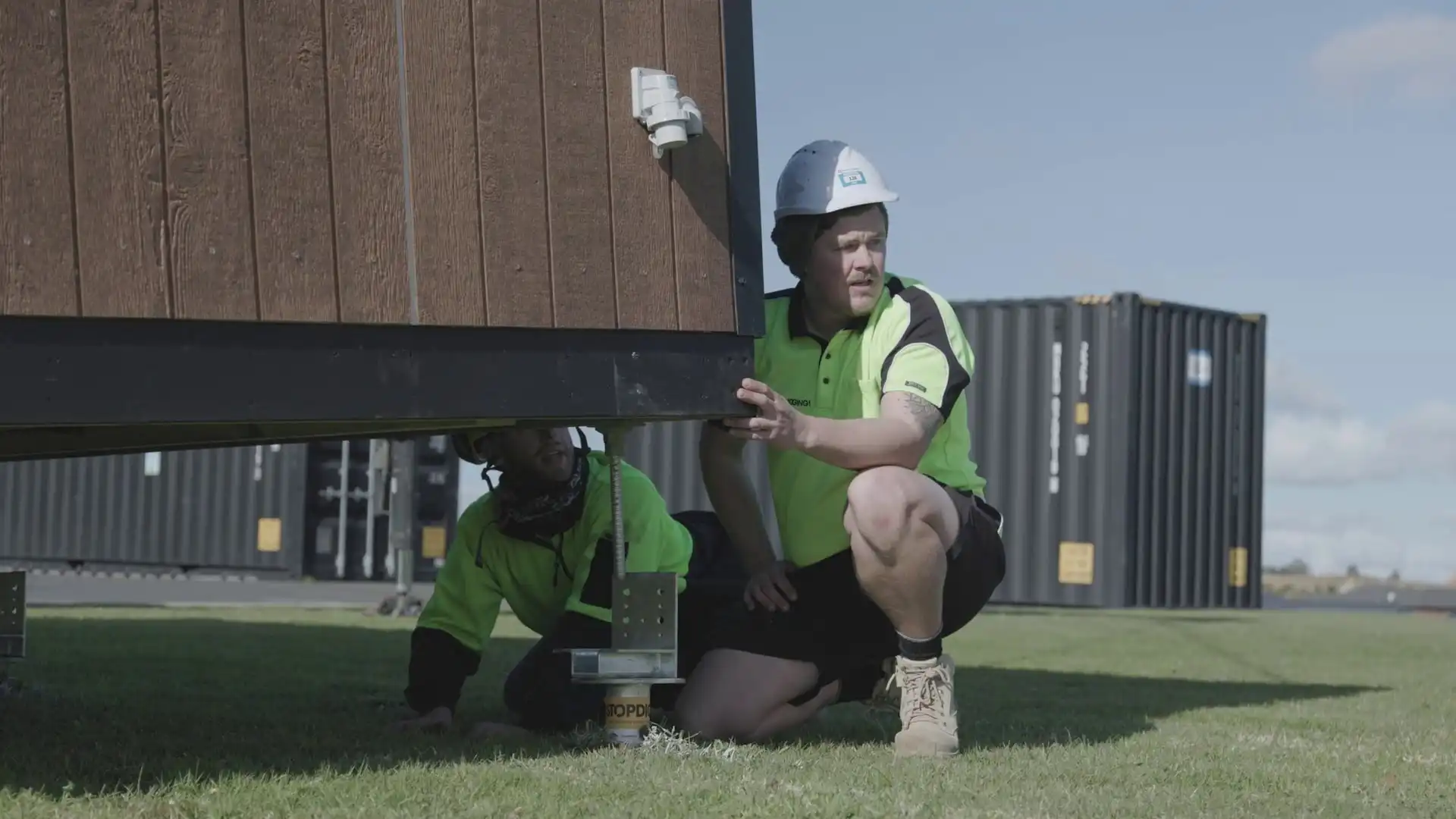
Cutaway footage should not just exist to hide edits. It should support what the customer is saying. If they talk about the process being smooth, show the process. If they mention the team, show the team. If they reference the finished result, show the outcome in context.
Useful testimonial b-roll often includes:
- Service delivery or production in action
- Team interactions and working process
- Product use in a real setting
- Finished spaces, results, or before/after context
- Natural reactions rather than staged gestures
The more closely the visuals support the spoken line, the stronger the edit feels.
Edit for clarity and retention
A good testimonial edit is selective. Keep the pace moving, remove repetition, and let the strongest lines carry the narrative. That usually means trimming down rambling context while preserving the natural cadence of the speaker.
Simple edit rule
Lead with the most relevant problem or result, build the journey quickly, and finish on a line that reinforces confidence.
For most business use cases, shorter is better unless the viewer already has high intent. A homepage or paid ad version might be 30 to 60 seconds. A sales page or proposal version may benefit from a longer cut if the detail meaningfully reduces objections.
Common mistakes that weaken conversion
Mistake
- Starting too slowly
- Using generic praise only
- Over-branding the piece
- Poor interview audio
- No meaningful b-roll
Fix
- Open on a result, pain point, or strong statement
- Pull out specifics and outcomes
- Keep focus on the customer story
- Treat sound capture as non-negotiable
- Film visuals that prove what is being said
Where to use the finished video
One testimonial shoot should usually produce more than one asset. A strong base interview can become a main case study video, social cutdowns, website sections, paid ad variants, vertical edits, quote graphics, and sales follow-up content.
That is where the ROI often sits. The goal is not just to film one nice video. It is to create a trust asset that can be distributed wherever prospects are making decisions.
Final thought
The best customer testimonial videos do not try too hard to impress. They make it easy for the right prospect to see themselves in the customer story. When the structure is clear, the sound is clean, and the edit focuses on proof rather than fluff, the video becomes a serious conversion tool rather than just another content piece.
If you want testimonial videos that feel credible, sharp, and commercially useful, the process matters just as much as the camera work.